
How Supplier Failures Drive Up Procurement Costs
Structured supplier scorecards that track delivery, quality, and compliance cut total procurement costs by 12-15% versus buying on price alone.

Founder & Chief Executive Officer
- Published
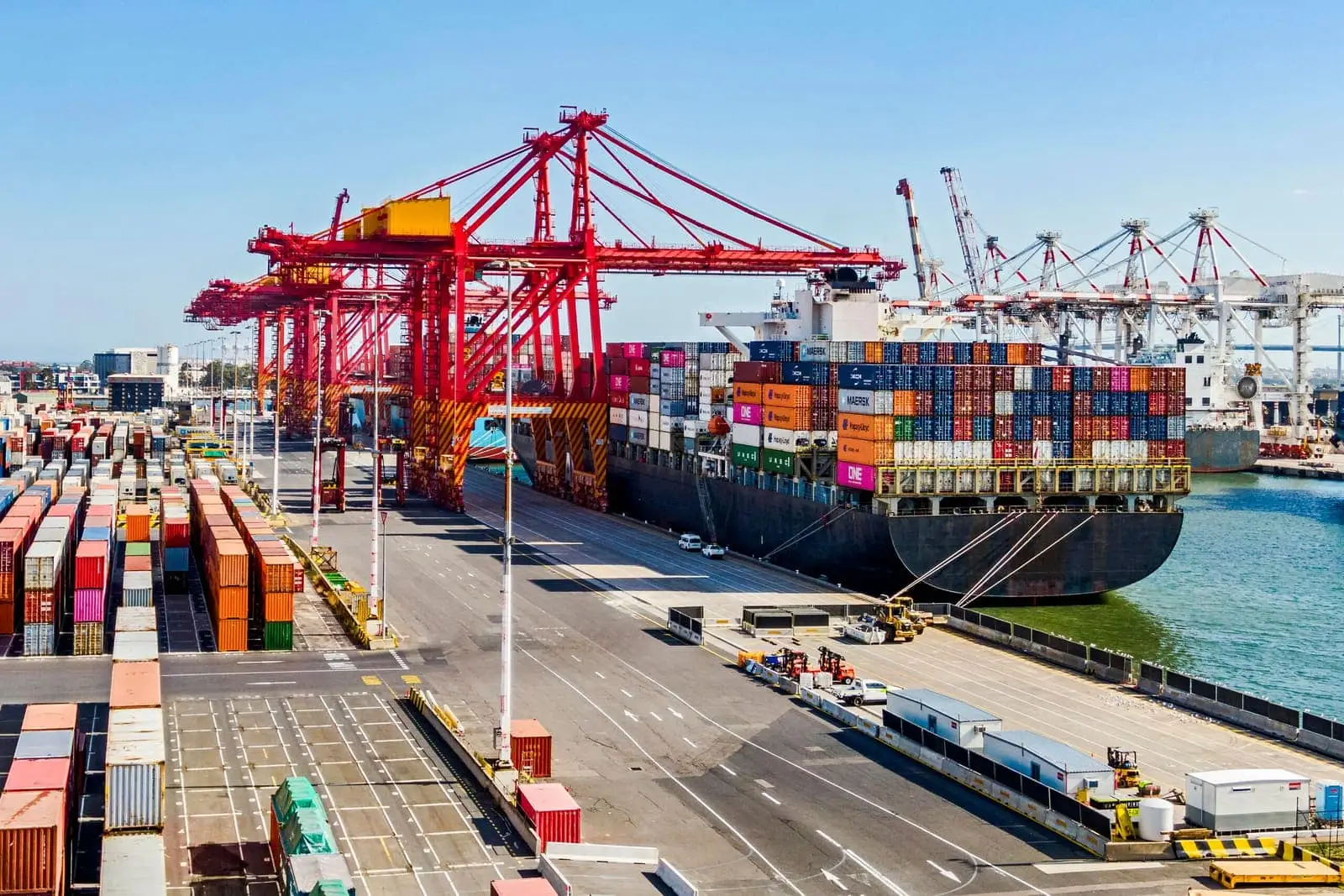
There’s a pattern procurement teams keep running into in 2026: the supplier who won on price ends up costing the most.
It’s not a new insight, but it’s hitting harder right now. Tariffs are still shifting. Freight costs are volatile. Geopolitical disruptions keep reshaping shipping lanes in ways that aren’t predictable quarter to quarter. And inflation, though slower than 2022, hasn’t gone away. In that environment, a supplier with a 6% lower unit price but a 14% late delivery rate isn’t a win: it’s a liability hiding in a spreadsheet.
This piece is about the actual cost math: where supplier performance failures leak money, which KPIs catch problems before they compound, and what separates procurement teams that stay ahead of these issues from those stuck reacting to them.
What Supplier Performance Management Actually Means
Supplier performance management is the ongoing process of tracking how reliably your suppliers deliver: on time, at the right quality, in compliance with contracts and regulations, and without creating operational surprises.
In practice, it involves scorecards, KPIs, regular reviews, and increasingly, software that does continuous monitoring instead of quarterly check-ins. The goal is simple: catch problems with suppliers early enough that you can address them before they turn into production shutdowns or emergency purchases at spot-market prices.
It’s part of the broader discipline called supplier relationship management (SRM), but where SRM covers the whole relationship, performance management focuses specifically on measurement and accountability.
Most procurement teams understand this in theory. The gap is in execution, only 18% of businesses have full end-to-end visibility into their supplier base. That means 82% are making sourcing and renewal decisions with incomplete information.
Where Supplier Performance Problems Actually Show Up in Your Costs
Late Deliveries
This is the most visible one. When a supplier misses a delivery window, the downstream effects are immediate and expensive.
Production lines get delayed. If you’re in manufacturing, an idle line costs money by the hour. You either expedite freight to recover lost time: at rates that can run 3–5x standard shipping, or you miss your own customer SLAs and absorb penalties on that side. Sometimes you do both.
Inventory buffers help absorb some of this, but maintaining higher safety stock has its own cost. You’re essentially paying to insure against a supplier’s unreliability through your own working capital.
Reuters reported that supplier delivery delays worsened in 2026, driven by geopolitical shipping disruptions and rising energy costs. For procurement teams that relied on single sourcing or had no early warning system, those delays arrived without warning.
Poor Product Quality
A defective component doesn’t just get returned: it triggers a cascade. Rework costs, warranty claims, compliance penalties if the defect reaches an end customer, and the time your own team spends managing the remediation process.
The total landed cost calculation matters here. A supplier charging 10% less per unit but running a 4% defect rate will, in most manufacturing contexts, cost you more than a supplier charging full price with a 0.3% defect rate. The math usually isn’t close, but you can only do it if you’re actually tracking defect rates by supplier.
Supplier Non-Compliance
This one is expanding in scope. ESG compliance, cybersecurity standards, documentation requirements, and sector-specific regulations are all adding requirements that suppliers either meet or don’t. QIMA’s 2026 sourcing survey found nearly half of businesses expect compliance challenges to increase this year.
Non-compliance from a supplier can create legal exposure, regulatory fines, or reputational risk that makes the original contract value irrelevant. The cost of a compliance failure is rarely proportional to what you were paying the supplier.
Communication Delays
Slower to quantify but real. A supplier who takes 4 days to confirm a specification change slows your procurement cycle. If that’s upstream of a product launch or a customer deadline, the delay has a cost. Procurement teams that track response time as a KPI tend to surface these issues before they become bottlenecks.
Financially Weak Suppliers
This is the risk most companies underweight until it materializes. A supplier under financial stress may cut corners on quality, miss deliveries, or, in the worst case, shut down with your orders unfulfilled. RapidRatings found that 85% of enterprises experienced rising supplier-related cost pressures in 2025–26.
Emergency sourcing is expensive, not just in price, but in the time and operational disruption of finding, qualifying, and onboarding a replacement under pressure. Procurement disruptions are costing organizations an average of $16 million annually. Most of that is avoidable with earlier visibility.
Supplier Performance KPIs That Actually Move the Needle
Not all KPIs are equally useful. Here are the ones that consistently correlate with procurement cost outcomes:
| KPI | What It Measures | Why It Matters for Costs |
|---|---|---|
| On-Time Delivery Rate | % of orders arriving within agreed window | Directly reduces expedited freight and production downtime |
| Defect Rate | % of units failing quality standards | Lowers rework, returns, and warranty claims |
| Lead Time Accuracy | Variance between promised and actual lead times | Reduces the inventory buffer you need to carry |
| SLA Compliance | Adherence to contract terms | Helps avoid penalties and legal exposure |
| Response Time | Time to confirm, escalate, or resolve issues | Speeds procurement cycles and reduces bottlenecks |
| Cost Variance | Actual cost vs. contracted price | Keeps budget forecasting reliable |
| ESG Compliance Score | Adherence to sustainability and regulatory requirements | Protects against regulatory fines and reputational risk |
The most useful scorecards weight these by what matters most for your category. A supplier providing raw materials for a manufacturing line gets scored differently than a supplier providing marketing services. Context shapes what threshold on each KPI constitutes a problem.
Why the Cheapest Supplier Usually Isn’t
Procurement has a term for this: total cost of ownership (TCO). The idea is that the price on the purchase order is only one line in the actual cost calculation.
Add in freight. Holding costs for the extra inventory you keep because this supplier is unreliable. The time your team spends managing exceptions and escalations. The expediting fees when deliveries slip. The rework costs when quality misses. The risk premium for a supplier with thin margins who might not survive a market disruption.
Do that full calculation and the “low-cost” supplier often isn’t.
Procurement teams in 2026 are increasingly making this shift: from optimizing on unit price to optimizing on total operational cost. That shift requires better data on supplier performance, not just invoices and POs, but actual delivery records, quality metrics, and financial health indicators.
Companies using structured vendor evaluation frameworks reduce procurement costs by 12–15%. The gap between that and teams still sourcing primarily on price is wide enough to be a competitive issue.
What AI Is Changing in Supplier Performance Management
The manual version of this: quarterly scorecards assembled in spreadsheets, risk reviews done once a year: is genuinely insufficient for the current environment. Suppliers change. Markets shift. A financially stable supplier in January can be in trouble by July.
AI-based procurement systems are increasingly capable of continuous monitoring: real-time delivery tracking, automated scoring updates, predictive flags when a supplier’s performance pattern suggests an upcoming problem before it actually hits. That’s qualitatively different from finding out in a quarterly review that delivery performance degraded in Q2.
Automated scorecards also remove the manual overhead that makes consistent supplier tracking hard for smaller procurement teams. When scoring is automated, it actually happens, rather than getting deprioritized when the team is busy.
At Gainfront, our supplier intelligence tools are built around exactly this problem: giving procurement teams visibility into what’s happening across their supplier base in real time, not just when someone has time to pull a report.
Mistakes That Keep Recurring
These show up repeatedly in discussions among procurement professionals:
Selecting primarily on price. Already covered, but worth stating directly: it’s the most common way hidden costs get introduced into supply chains.
Single sourcing without a backup plan. One supplier for a critical component is a liability. When that supplier has a problem, you have a problem, with no fallback.
No structured scorecards. If performance isn’t formally tracked, it’s evaluated on memory and gut feel. Neither is reliable across a supplier base of any size.
Spreadsheet-based tracking. Spreadsheets don’t update in real time, don’t send alerts, and don’t scale. They’re a starting point, not a system.
Reactive procurement. Responding to supplier failures rather than anticipating them. This is the most expensive pattern because you’re always managing consequences rather than preventing them.
Low visibility into financial health. A supplier’s delivery performance last quarter tells you less about risk than their current financial position. Both matter.
What High-Performing Procurement Teams Do Differently
A few consistent practices separate teams with low supplier-related cost exposure from those dealing with it constantly:
Supplier segmentation. Not every supplier needs the same level of monitoring. Tier suppliers by criticality and risk: strategic, preferred, transactional, and allocate oversight accordingly.
Continuous monitoring, not annual reviews. Problems don’t wait for review cycles. Real-time or near-real-time data means earlier intervention.
Collaborative supplier relationships. Treating suppliers as partners rather than adversaries tends to produce better information flow. Suppliers who trust their customers are more likely to give early warning on problems.
Quarterly formal reviews. Even with continuous monitoring, structured reviews create accountability and a record of improvement (or deterioration) over time.
Risk scoring. Financial health, geographic risk, regulatory exposure, and operational capacity all factor into how vulnerable any supplier is to disruption. Scoring these systematically surfaces issues before they become emergencies.
Organizations using mature strategic sourcing practices consistently report lower supplier-related costs and fewer supply chain disruptions. The practices aren’t exotic: they’re disciplined and consistent.
FAQ
What is supplier performance management?
It’s the process of systematically tracking how reliably your suppliers deliver: on time, at the right quality, in compliance with contracts, and within budget. The goal is to catch problems early and make sourcing decisions based on real performance data rather than price alone.
How does supplier performance affect procurement costs?
Through several channels: late deliveries trigger expedited freight and production downtime; quality failures generate rework and warranty costs; non-compliance creates regulatory exposure; and financially weak suppliers can fail outright, forcing expensive emergency sourcing. Together, these costs often exceed the savings from choosing on price.
Which supplier KPIs most directly reduce operational costs?
On-time delivery rate and defect rate have the most direct cost impact. Lead time accuracy reduces inventory carrying costs. SLA compliance limits penalty exposure. All of them matter more together than in isolation.
What are the most important supplier performance metrics in 2026?
On-time delivery, defect rate, lead time accuracy, SLA compliance, response time, cost variance, and ESG compliance. The weighting depends on your category and the specific risks in your supply chain.
How can AI improve supplier performance tracking?
By doing it continuously instead of periodically. AI systems can monitor delivery patterns, update scores automatically, and flag early warning signs: supplier financial stress, delivery degradation, compliance gaps, before they become operational problems.
What is the hidden cost of poor supplier performance?
The direct costs (expediting, rework, penalties) are visible. The hidden costs are the management time spent on exceptions, the extra inventory carried as insurance against unreliable suppliers, and the strategic cost of missing customer SLAs because of upstream failures.
Why is on-time delivery important in procurement?
Because every delay has a downstream effect. In manufacturing, it can idle a production line. In distribution, it can mean missed customer commitments. The expedited freight required to recover time is expensive, and the SLA penalties for missing commitments are real. On-time delivery is often the single metric with the most direct connection to total supply chain cost.
How do supplier delays impact manufacturing costs?
Through production downtime, and also indirectly through rushed freight, emergency procurement, and operational disruption of replanning due to a missed delivery. The companies with a consistent high on-time delivery of suppliers operate lean inventory and predictable manufacturing cost.
What is a supplier scorecard?
A systematic mechanism to record a supplier against pre-defined KPIs for the long-term. A Good scorecards’ covering all aspects of delivery, quality, compliance and financials into one.
How often should supplier performance be reviewed?
Monitoring should be continuous for critical suppliers. Formal reviews with scorecards: where you sit down with the supplier and discuss performance, trends, and issues, should happen at least quarterly for strategic suppliers, and at minimum annually for lower-tier ones.
What is total cost of ownership in procurement?
TCO is the full cost of working with a supplier beyond the purchase price: freight, quality-related costs, holding costs for safety stock, management overhead, and the cost of disruptions. It’s the calculation that shows why a “cheaper” supplier often isn’t.
How do procurement teams reduce supplier risk?
By maintaining visibility into the full supplier base, tracking financial health alongside operational performance, segmenting suppliers by criticality, and building secondary sourcing options for high-risk categories. The teams that manage supplier risk well are almost always doing it proactively, not reactively.
- Gainfront helps procurement teams track supplier performance in real time, build automated scorecards, and move from reactive to proactive vendor management. Learn more at gainfront.com.